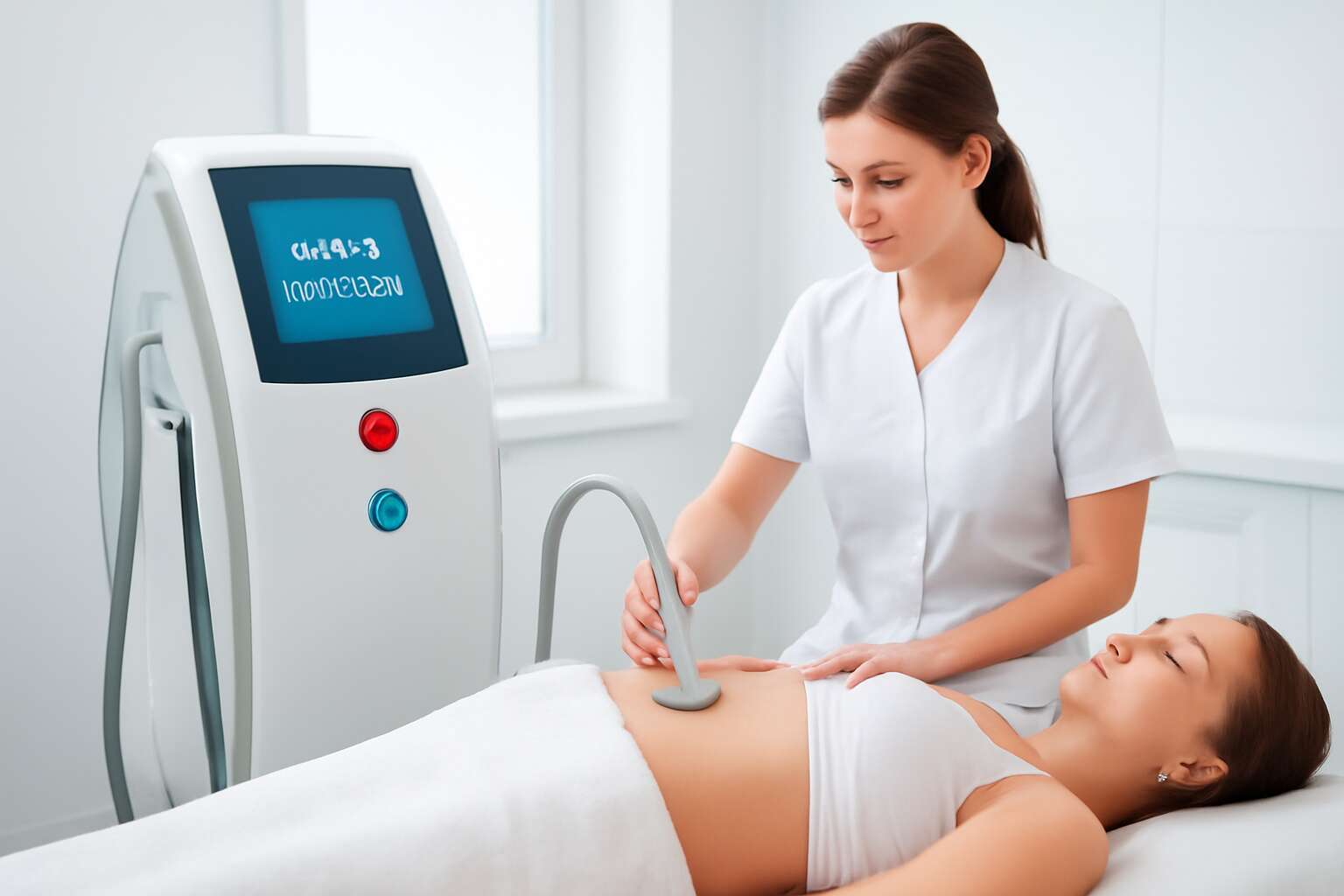
Understanding Laser Lipolysis Devices and How They Work
What is laser lipolysis and its core mechanism
Non-invasive fat reduction has surged by 60% in SA clinics last year, and the laser lipo machine is at the heart of that shift. Laser lipolysis uses focused energy to target fat pockets without surgery, delivering results with minimal downtime.
The core mechanism is simple: the laser energy creates tiny pores in fat cells, releasing triglycerides into the lymphatic system. The surrounding tissue remains intact, while heat stimulates collagen slightly to improve skin tone.
Consider these features when evaluating a device.
- Appropriate wavelength for fat emulsification
- Controlled power with real-time feedback
- Integrated skin cooling and safety features
In South Africa, clinics prefer devices that balance efficacy with safety, accommodating diverse skin types. A robust device offers adjustable settings, reliable cooling, and intuitive monitoring to keep patients comfortable.
Photobiomodulation and adipocyte disruption explained
In South Africa, non-invasive fat reduction has surged by 60% in clinics last year, signaling a shift toward safer, shorter downtime aesthetics. A well-calibrated laser lipo machine becomes the conductor of that shift, delivering energy precisely where it matters.
Photobiomodulation works by guiding light into subcutaneous tissue to modulate cellular activity without burning the surface. The same device achieves adipocyte disruption through controlled energy, while nearby collagen fibers flex subtly to support skin tone. The result is a coordinated, efficient process that respects the body’s rhythms and limits.
- Appropriate wavelength for fat emulsification
- Controlled power with real-time feedback
- Integrated skin cooling and safety features
Clinics value devices engineered for diverse skin types, with adjustable settings and intuitive monitoring, ensuring comfort across the SA spectrum. The choice of device becomes a partner in patient experience and outcomes.
Wavelengths, energy delivery, and device modalities
In South Africa, non-invasive fat reduction clinics reported a 60% surge last year, a marching chorus toward safer treatments and shorter downtime. A laser lipo machine stands at the helm of this quiet revolution, guiding energy with measured restraint.
Wavelengths determine the conversation with fat. Near-infrared bands—roughly 800 to 1100 nm—permit deeper penetration into subcutaneous tissue while sparing the surface. A common workhorse, around 1064 nm, delivers fat emulsification with a disciplined touch.
Energy delivery arrives as precise pulses or steady streams, paired with real-time feedback. The most refined devices modulate power to hold therapeutic temperatures and weave in gentle skin cooling to protect the dermis while adipocytes relinquish their burden.
Clinics value devices engineered for diverse skin types, with adjustable settings and intuitive monitoring. Key device modalities include:
- Wavelength versatility addressing different patient profiles
- Flexible energy delivery modes with real-time feedback
- Integrated cooling and proactive safety sensors
Key components: handpieces, cooling systems, and safety features
South Africa’s clinics logged a 60% jump in non-invasive fat reduction last year, a vivid sign of demand for precision without downtime. Understanding laser lipolysis devices and how they work rests on three pillars: handpieces, cooling systems, and safety features that synchronize energy with skin health.
Key components include:
- Handpieces: ergonomic, sealed optics, and diode arrays delivering targeted energy with controlled depth.
- Cooling systems: integrated dermal cooling to guard surface tissue while adipocytes release fat.
- Safety features: real-time sensors, temperature feedback, and emergency cutoffs that prevent overheating.
In practice, these elements converge to align energy with tissue response, delivering predictable fat reduction with minimal downtime. The term laser lipo machine captures that balance, a reliable partner in clinics seeking safety and efficacy.
Clinical indications and expected outcomes
Across South Africa, clinics report a 60% jump in non-invasive fat reduction, a bold sign that patients crave precision without downtime. Understanding laser lipolysis devices hinges on energy meeting tissue response, guided by discerning patient selection and refined device design. The right laser lipo machine matters: it defines how energy is delivered, how heat is managed, and how comfort remains intact—a choreography that makes targeted fat disruption both safe and convincing.
- Abdomen
- Flanks
- Inner thighs
- Upper arms
Clinical indications focus on localized fat deposits resistant to diet and exercise, aiming for balanced contour and symmetry. Expected outcomes vary, but many patients observe circumference reductions and smoother skin within 6 to 12 weeks, with minimal downtime and a swift return to daily life.
Key Features to Evaluate When Choosing a Device
Wavelength options and tissue targeting
Contouring without cutting has become a South African wellness saga, with clinics reporting robust demand and patients embracing non-surgical options. Clinicians have witnessed these settings embrace the magic of precision! The laser lipo machine sits at the center of this legend, delivering precise energy that feels almost magical yet rests on solid science.
Key Features to Evaluate When Choosing a Device include how the wavelength options align with tissue targeting. Different wavelengths reach fat layers at varying depths, shaping outcomes, comfort, and safety. This laser lipo machine should offer intuitive controls, adaptable settings, and dependable performance across multiple clients.
To navigate these waters, consider the following essentials:
- Wavelength options and tissue targeting depth
- Pulse duration, energy modulation, and delivery modes
- Real-time feedback and safety safeguards
- Ergonomics, maintenance, and clinic support
Treatment modes, session efficiency, and settings
Non-surgical contouring has become a South African sensation, with clinics reporting a 38% uptick in demand last year. The magic sits in the laser lipo machine, a beacon of precision that marries science with a whisper of wonder. It delivers energy with calm certainty, guiding bodies toward sculpted contours without a scalpel.
Treatment modes sharpen the flow of a session, letting clinicians tailor the experience to each client. Options include:
- Continuous delivery for steady fat release
- Pulsed bursts to ease comfort and recovery
- Stepwise energy ramp for gradual sculpting
- Scanning or multi-beam modes for broader zones
For session efficiency, the device should trim chair-side time while expanding client throughput. Pre-set programs, adjustable energy and pulse duration, precise cooling, and responsive feedback all contribute to consistent results. A well-appointed laser lipo machine offers safeguards that keep every treatment feeling safe and purposeful.
Safety features: skin cooling, alarms, and auto shutoff
Safety is the backbone of any decision when investing in a laser lipo machine. Clinics seeking reliable results should prioritise built-in safeguards that protect skin, equipment, and practitioners alike. Thoughtful engineering translates into calmer sessions and predictable outcomes, especially in fast-paced South African settings where patient comfort and trust matter as much as efficacy.
- Skin cooling and temperature monitoring to prevent burns while maintaining treatment efficacy.
- Alarms and interlocks that flag irregularities and halt the session before discomfort arises.
- Auto shutoff with fault logging for swift maintenance and accountability.
These features, when integrated with intuitive interfaces and reliable energy delivery, elevate the overall experience for practitioners and clients alike.
Maintenance, consumables, and uptime expectations
Uptime is the quiet hero in South African clinics, where back-to-back sessions demand reliability. A well-tuned laser lipo machine keeps cooling, energy pulses, and safety checks in harmony, turning each treatment into a smooth, confident experience. When choosing a device, weigh maintenance schedules, consumable cadence, and uptime expectations as closely as you would aesthetic outcomes—it’s the difference between a calm day and a rushed one.
- Maintenance cadence and on-site service versus remote diagnostics
- Consumables availability, cost, and lead times for handpieces and disposables
- Spare parts availability, warranty terms, and documented MTBF
- Training and support SLAs, including software updates and calibration
- Fault logging and uptime reporting for accountability
Beyond the obvious, consider how a provider handles service reach, spare parts, and training. Look for transparent fault logging, predictable lead times, and a robust warranty—these shape long-term dependability in fast-paced environments.
User interface, training requirements, and support
In fast-paced South African clinics, the user interface can make or break a session. A clean, well-organized screen reduces setup time and keeps practitioners focused on client comfort. The right laser lipo machine turns complex energy settings into quick, confident steps.
- Clear, context-aware menus and multilingual support
- Pre-set treatment modes and quick-start workflows to reduce setup time
- On-device training modules, calibration safety checks, and certification tracking
- Remote diagnostics, software updates, and proactive health alerts
Training requirements should include hands-on classes, vendor certifications, and refresher modules. We value onboarding that fits busy schedules, practical in-clinic demos, and clear service SLAs. Remote diagnostics and timely software updates save downtime and protect outcomes.
Performance, Results, and Patient Experience
Typical treatment plans, session length, and frequency
Light as a quiet comet, the laser lipo machine shapes contours with precision. It delivers targeted energy while a cooling system guards the skin, so comfort meets science at every pass. Gentle light energy nudges fat cells toward disruption without collateral heat, and real-time feedback keeps the energy within a safe range. The result is steady, predictable performance that fits busy schedules.
The results are contour-focused and gradual, with circumference reduction often visible after a course. Outcomes vary by area and lifestyle, but the journey remains hopeful.
- Typical session length: 20–40 minutes
- Frequency: 1–2 sessions per week
Clients report a calm, downtime-light experience that slots neatly into South African routines. Scheduling is flexible, and guidance from the clinical team adds warmth to the science.
Visible results timeline, longevity, and upkeep
In practice, the laser lipo machine operates with quiet precision—energy focused where fat lingers, while a cooling veil keeps the skin serene. Performance is steady, sculpting contours with disciplined grace. Changes emerge gradually as the course unfolds, then crystallize in the weeks following the final session, settling like silhouettes into a moonlit frame.
Visible results timeline, longevity, and upkeep unfold thus:
- Timeline: early improvements begin mid-course; final contour refinement often appears 4–6 weeks after completion.
- Longevity: lasting results are best preserved with stable weight and balanced habits.
- Upkeep: occasional maintenance sessions (every 6–12 months) help sustain the silhouette.
From the patient experience, sessions feel calm—downtime-light, orderly, and respectful of South African routines. Guidance from the clinical team adds warmth to the science, and throughout the journey our laser lipo machine remains a quiet witness to transformation.
Comfort, downtime, and post-treatment care guidelines
The laser lipo machine delivers focused energy with quiet precision, pairing efficient fat modulation with a cooling veil that keeps skin comfortable. The result is steady performance—contours take shape without disruption, even on stubborn pockets that resist other approaches.
Results unfold gradually; changes accumulate through the course and phase out into weeks after the final session. The emphasis remains on natural-looking refinement rather than sudden shifts.
From a patient experience perspective, sessions feel calm and downtime-light—an approach that respects local routines in South Africa. Clinicians communicate clearly, guiding the process with warmth and clinical clarity.
Post-treatment care guidelines are provided by the clinical team to support consistent outcomes. The plan emphasizes gentle recovery, ongoing monitoring, and realistic expectations as the body settles into its new silhouette.
Comparisons with alternative non-surgical fat reduction options
Performance under the clinic’s quiet hum is striking: the laser lipo machine delivers focused energy with precision, paired with a cooling veil that keeps skin comfortable. In South Africa, many patients report measurable circumference reductions after a complete course—quiet, steady shifts that feel almost inevitable.
Results unfold gradually, week by week, with natural refinement. Compared with other non-surgical options, the laser lipo machine often requires fewer sessions for discreet shaping and quicker return to routine.
- Cryolipolysis: longer sessions, occasional numbness, and more downtime.
- Radiofrequency/ultrasound: heat-based therapies with variable results.
- Injection lipolysis: precise but more post-care in some cases.
From the patient perspective, sessions feel calm and downtime-light; clinicians guide with warmth and clinical clarity, aligning expectations with South Africa’s daily rhythms through a measured laser lipo machine experience.
Safety, Regulations, and Best Practices for Clinics
Safety guidelines, contraindications, and operator training
Safety isn’t a buzzword in aesthetics—it’s the currency of trust. In South Africa, non-surgical fat reduction clinics have grown by about 28% year on year, and clients expect reliability. A quality laser lipo machine paired with disciplined governance keeps sessions predictable, painless, and impeccably compliant with local expectations.
Regulations demand clear pathways: credentialed operators, documented informed consent, and auditable maintenance. To help clinics stay within the lines, consider these essentials:
- Pre-treatment screening and explicit contraindications
- Comprehensive operator training and ongoing competency assessments
- Appropriate eye protection and safe treatment zones
- Regular device maintenance, calibration, and logs
Best practices emphasize patient monitoring, accurate treatment mode selection, and honest post-treatment care. Keep charts updated, enforce cooling protocols, and ensure alarms and auto shutoffs function. With diligent governance and skilled staff, the technology—our beloved laser lipo machine—delivers reliable outcomes while keeping every patient comfortable and confident.
Hygiene, device maintenance, and calibration routines
Africa’s aesthetics market is booming, with non-surgical fat reduction clinics growing 28% annually. In that climate, a laser lipo machine becomes trust forged in safety and reliability.
Regulations require credentialed operators, informed consent, and auditable maintenance, in line with South Africa-friendly governance.
- Credentialed operators and informed consent
- Auditable maintenance logs
- Defined eye protection and treatment zones
Best practices emphasise hygiene, calibration, and reliable safety features. Keep spaces clean, logs current, and verify alarms so sessions stay calm and predictable.
- Hygiene protocols
- Calibration records
With disciplined governance and a skilled team, the laser lipo machine delivers reliable outcomes and confident patients.
Regulatory status, approvals, and clinical evidence
South Africa’s aesthetics market is booming, with non-surgical fat reduction clinics growing 28% annually. The laser lipo machine sits at the heart of trusted outcomes, where safety, efficacy, and clear governance shape patient confidence.
Regulatory status and approvals hinge on device registration, supplier compliance, and credentialed operators who obtain informed consent. Auditable maintenance logs ensure traceability and accountability across every session.
- Regulatory clearance and device registration
- Credentialed operators and informed consent
- Auditable maintenance logs and incident reporting
Clinical evidence underpins decisions—clinics should reference peer‑reviewed outcomes, standardized protocols, and transparent adverse-event monitoring. A well-validated device operates with precise energy delivery, consistent cooling, and reliable safety alarms that keep sessions calm and predictable.
Risk management, adverse event handling, and insurance considerations
Safety oversight is not optional in South Africa’s booming aesthetics scene—non-surgical fat reduction clinics grew 28% annually, and a laser lipo machine sits at the heart of trust. Robust risk management, clear incident handling, and solid insurance coverage are guardrails that protect patients and practitioners alike.
- Regulatory status and device registration for the laser lipo machine
- Credentialed operators and informed consent processes
- Auditable maintenance logs and transparent incident reporting
- Insurance considerations aligned with clinic risk management and liability coverage
Adverse-event monitoring standards and ongoing training, with clear lines of accountability if an event occurs, are essential. Safety features and calibration regimes form a governance framework that keeps every session predictable and compliant.
Buying Guide, ROI, and Budgeting for Clinics
Cost ranges, financing, and leasing options
Across South Africa, demand for non-invasive fat reduction is rising, and a laser lipo machine can broaden your service menu without downtime. A smart buying guide starts with total cost of ownership, not just the sticker price. Typical ranges: R150 000–R350 000 for entry-level units; R350 000–R900 000 for mid-range; top platforms can exceed R1 000 000. Consider upfront price, installation, service plans, consumables, and the potential revenue lift from higher patient throughput.
Budgeting hinges on predictable cash flow and asset longevity. Key inputs include:
- Upfront investment (new vs refurbished)
- Recurring costs: maintenance, consumables, power
- Financing and leasing terms: tenor, rates, service bundles
Financing routes in SA clinics span bank loans, vendor finance, and equipment leasing. Compare total cost of ownership, warranty coverage, and support to keep uptime high while maintaining care standards and staff confidence.
Total cost of ownership: maintenance, parts, and downtime
Buying Guide: Across SA clinics, demand for non-invasive fat reduction has risen by more than 30% in the past year, and the laser lipo machine is a quiet workhorse that broadens services without downtime. A smart purchase starts with total cost of ownership, not the sticker price. Factor in installation, service plans, consumables, and the potential revenue lift from higher patient throughput.
ROI: Return on investment hinges on uptime and patient flow. When service levels are predictable and sessions are efficiently delivered, clinics see faster payback and steadier margins. Key ROI drivers include uptime, throughput, and controlled consumables costs.
- Uptime and service agreements
- Throughput per day
- Consumables cost per treatment
Budgeting: Budgeting hinges on predictable cash flow and asset longevity. Upfront investment (new vs refurbished) plus recurring costs—maintenance, consumables, and power—shape the forecast. Financing and leasing terms (tenor and rates) complete the picture.
- Upfront investment (new vs refurbished)
- Recurring costs: maintenance, consumables, power
- Financing and leasing terms: tenor, rates, service bundles
Vendor support, warranties, and service contracts
Buying a laser lipo machine isn’t just about the sticker price—it’s about the long game. For SA clinics, vendor support, solid warranties, and service contracts can be the difference between downtime and uptime. Look for installation help, responsive service, and consumables pricing that travels with you, not against your budget. A backed device means steadier patient flow!
- Uptime guarantees
- Throughput per day
- Consumables cost per treatment
ROI hinges on uptime and patient flow. When service levels are predictable and sessions are delivered efficiently, payback arrives faster and margins stay sturdier.
Budgeting for this kind of asset hinges on predictable cash flow and asset longevity. Account for upfront investment (new vs refurbished), recurring costs—maintenance, consumables, and power—and financing or leasing terms that align with clinic growth.
Estimating ROI based on utilization and client demand
Your buying guide for a laser lipo machine begins with uptime, support, and real-world throughput. In SA, reliability isn’t cosmetic—it drives patient flow and revenue. A practical checklist keeps you from buying a dream and financing a nightmare.
- Estimate daily sessions and client demand
- Check uptime guarantees and local service availability
- Compare consumables costs and replacement timelines
ROI hinges on utilization. If sessions fill consistently and downtime is minimal, payback comes quickly and margins stay firm. Track throughput per chair per day, rebook rate, and average price per treatment for a realistic forecast. A laser lipo machine with solid training and vendor support cuts scheduling friction and patient wait times.
Budgeting hinges on cash flow and asset longevity. Decide between new or refurbished, anticipate maintenance and power costs, and weigh financing or leasing terms that suit clinic growth. With a plan, ROI timing points upward.

0 Comments