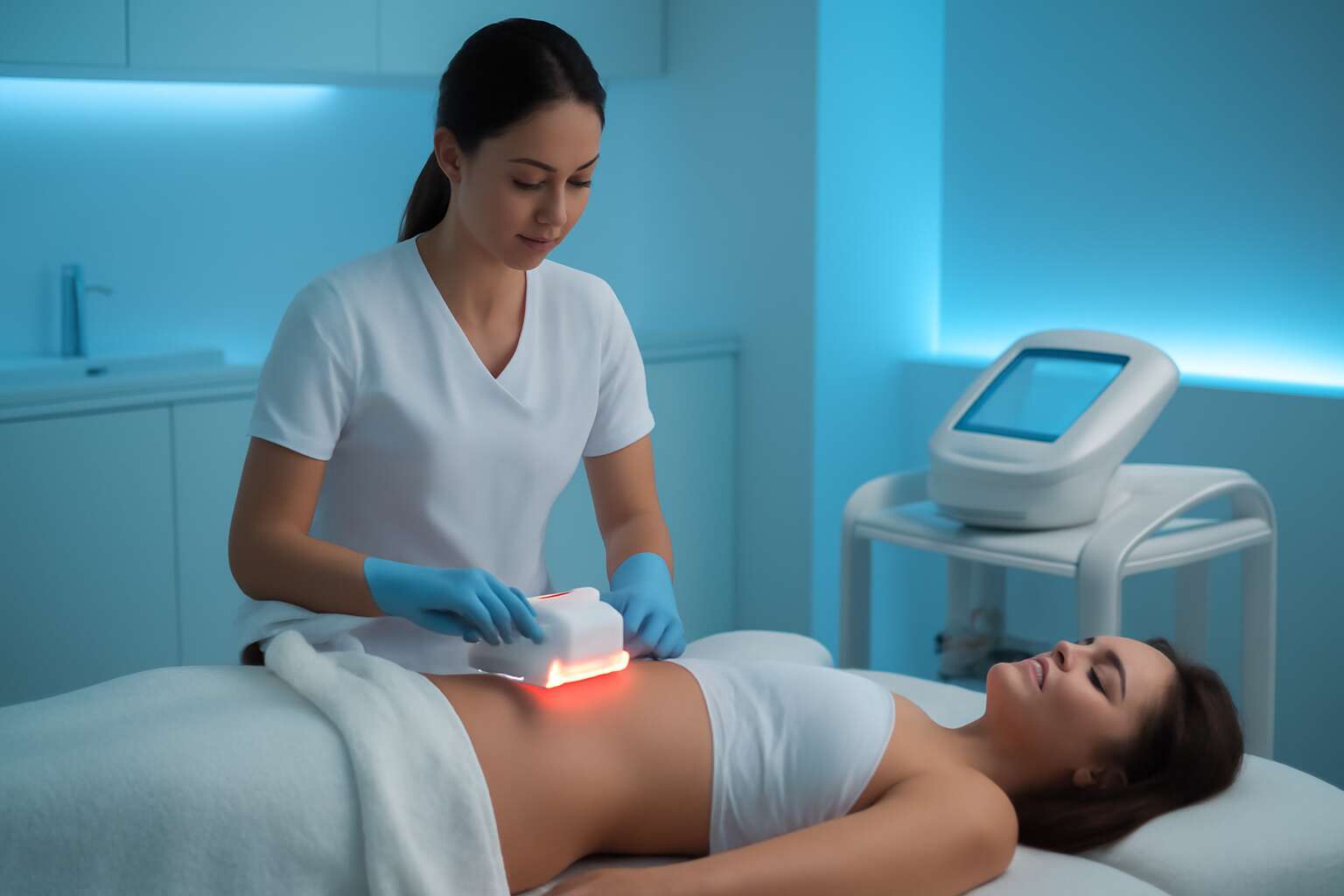
Understanding lipo laser and ultrasonic cavitation: how they work
Mechanism of action for lipo laser
Across South Africa, non-invasive body contouring is on the rise. The question of lipo laser vs ultrasonic cavitation isn’t hype—it hinges on how each method engages fat at its core and what patients can expect in downtime and comfort.
Lipo laser uses low-level light to influence adipocytes. It creates transient pores, releasing triglycerides into surrounding tissue and inviting lymphatic drainage to carry them away. Result: gradual fat-cell volume reduction over several sessions.
- Transient pores in fat cells
- Lymphatic removal of lipids
Ultrasonic cavitation relies on focused sound waves to disrupt fat cells, releasing contents for metabolism. In South African clinics, patients compare comfort and responses when choosing between the non-invasive options.
Mechanism of action for ultrasonic cavitation
In South Africa’s clinics, non-invasive contouring has surged by nearly 40% in five years, a quiet renaissance in body sculpting. In this tale, lipo laser vs ultrasonic cavitation unfolds as two distinct destinies.
Lipo laser, a light-based approach, slips beneath the skin with a gentle glow, guiding energy to influence fat stores and invite the body’s natural rhythms to move lipids onward.
Ultrasonic cavitation uses focused sound to spark tiny bubbles that ripple through fat chambers, disrupting cells enough to release triglycerides for metabolism, all while you simply relax.
- Comfort and sensation during treatment
- Session cadence and total visits
- Downtime and lifestyle impact
Both journeys belong to the same quest—silhouette refinement—yet the path chosen will feel different under the South African sun.
Comparative physics: light energy versus acoustic energy
Across South Africa, non-invasive contouring has surged nearly 40% in five years—a quiet renaissance in body sculpting. In the conversation about lipo laser vs ultrasonic cavitation, two paths unfold toward the same silhouette goal, each promising refinement with its own mood and pace.
Light energy travels beneath the skin, guiding fat stores with a gentle warmth; ultrasonic energy uses focused sound to create microbubbles that disrupt fat chambers and release triglycerides.
- Light energy: precise and softly warming
- Acoustic energy: mechanical, bubble-driven disruption
- Delivery: depends on device and area
Both routes share the contour quest, yet the experience and cadence differ.
Typical treatment protocol overview
Across South Africa, non-invasive contouring has surged nearly 40% in five years—a quiet renaissance in body sculpting. In the debate over lipo laser vs ultrasonic cavitation, two paths unfold toward the same silhouette: one punctuated by heat, the other by sonic precision.
Understanding their workings becomes a study in mood and pace: light energy glides beneath the skin with a gentle warmth, while acoustic energy releases tiny bubbles that disrupt fat cells. A typical protocol reads like a choreography—clinic setting, area preparation, and a session lasting 20 to 40 minutes, with follow-ups as needed.
- Pre-treatment assessment and area mapping
- Gel application and device-guided energy delivery
- Post-treatment hydration and routine observation
Whether you choose these approaches, consistency and comfort define the journey as much as results do. Each session nudges the body toward refinement, with momentum built through measured visits and patient responses.
Effectiveness and results: what to expect from non-surgical fat reduction
Expected results timeline
Results aren’t instant. In the lipo laser vs ultrasonic cavitation showdown, I’ve seen clients notice gradual contour improvements rather than miracles overnight.
Expect a timeline that unfolds with patience: initial tightening can appear within a few weeks, more noticeable sculpting by the 6 to 8-week mark, and a clearer silhouette by around 12 weeks as your body metabolizes treated fat differently, as observed in SA clinics.
- Visible changes often start as subtle firming around treated areas.
- Continued improvement occurs with consecutive sessions, reinforcing the contour.
- Final results depend on factors like lifestyle and treated area.
In the end, outcomes hinge on the treated area and individual biology, not a magical reset button—I’ve seen it play out that way.
Clinical evidence and efficacy benchmarks
In the realm of lipo laser vs ultrasonic cavitation, the evidence leans toward gradual, not instantaneous, sculpting. A South Africa aesthetician once shared, “Patience reveals the sculpture”; clients often report tightening first, with measurable contour shifts emerging over weeks. Across non-surgical fat reduction, results hinge on treated areas and biology, not quick resets.
- Clinical benchmarks commonly show modest fat-thickness reductions after a full course
- Contours tend to become more visible within a 6–12 week window
- Variability exists by area, body composition, and lifestyle factors
Ultimately, outcomes reflect individual biology and how the body metabolizes treated fat, not a miracle button. The journey is bespoke and quietly transformative.
Maintenance and planning multiple sessions
In South Africa’s aesthetics scene, a telling stat surfaces often: eight out of ten clients notice real contouring after weeks, not days. The journey feels like sculpture—patient, patient, precise—and many report tightening first and clearer shifts several weeks later.
Effectiveness hinges on the treated area and the body’s rhythm. When you compare lipo laser vs ultrasonic cavitation, expect modest fat reductions that accumulate across a full course, with contours often becoming more noticeable within a 6–12 week window as the body metabolizes fat.
From my experience, maintenance and planning for multiple sessions matter. Most patients engage several sessions spaced weeks apart, guided by area, body composition, and lifestyle. A simple framework often emerges:
- Sessions spaced weeks apart to respect the body’s remodeling pace
- Combination of treated zones for balanced shaping
Ultimately, outcomes reflect individual biology rather than a miracle button, and the journey remains quietly transformative across the South African landscape.
Safety, risks, and contraindications
General safety considerations for body contouring devices
Safety is the unsung star of body contouring. In South Africa, where aesthetics clinics flourish, risk awareness guides choices more than glossy brochures. When comparing lipo laser vs ultrasonic cavitation, the question isn’t only about results—it’s about who’s guiding the energy delivery and how comfortable you’ll be during treatment.
Common risks are usually minor—transient warmth, redness, or a tingly sensation—but can escalate with improper settings. Contraindications exist; avoid the procedure if:
- Pregnancy or nursing
- Active infection or open wounds in the area
- Metal implants or electronic devices in or near the treatment zone
- Recent surgery or a history of skin cancer in the area
General safety considerations demand a qualified operator, device calibration, and adherence to local regulations. A respectful pause between sessions, a thorough medical history, and clear communication about expectations help keep the focus on healthy, lasting contouring outcomes.
Common side effects and how to manage them
Safety is the quiet star of body contouring. In South Africa’s clinics, the choice between lipo laser vs ultrasonic cavitation isn’t just about sharper lines—it’s about who’s guiding the energy and how comfortable you’ll be on the table. A qualified operator, precise device calibration, and thoughtful pacing turn promise into peace of mind and lasting contour—much like a careful harvest on a rural farm, where every step matters.
Contraindications are strict guardrails. If any of these apply, the procedure should be reconsidered.
- Pregnancy or nursing
- Active infection or open wounds in the area
- Metal implants or electronic devices in or near the treatment zone
- Recent surgery or a history of skin cancer in the area
Common side effects are usually mild and short-lived: transient warmth, redness, or a tingly sensation.
- Manage with gentle cooling, hydration, and avoiding hot environments for a day
- Report persistent discomfort, unusual swelling, or fever to your clinician
Contraindications and who should avoid these treatments
In the arena of lipo laser vs ultrasonic cavitation, safety isn’t a rumor—it’s the baseline. A qualified operator, precise device calibration, and a deliberate treatment pace transform promise into peace of mind. Energy delivery should feel controlled rather than rushed, and the room should feel calm as the skin answers to measured stimuli. When these conditions are met, risks stay low and outcomes stay harmonious.
Contraindications can be strict guardrails. If certain health conditions or treatment histories apply, the clinician will pause to reassess. A thorough pre-treatment consultation helps identify factors that could compromise results or safety, from healing capacity to energy sensitivity or prior procedures. In South Africa, reputable clinics keep this screening rigorous, ensuring the pathway to approval for lipo laser vs ultrasonic cavitation remains thoughtful rather than impulsive.
Device safety and regulatory status
Safety is the weathered anchor in the chamber where lipo laser vs ultrasonic cavitation unfold. In a South African clinic study, properly calibrated devices delivered predictable outcomes with minimal downtime—clients reported only mild, brief discomfort. Energy should feel controlled, not hurried; the room should breathe as the skin accepts the signal. When guarded by rigorous screening and certified equipment, risk stays tucked away and results stay centered on intention.
Device safety and regulatory status are not afterthoughts. Devices should carry local approvals and be maintained on a strict schedule; clinics should publish licensing credentials and calibration records.
- Regulatory clearance and device certification
- Qualified operators and ongoing training
- Maintenance and calibration records
- Hygiene and infection control
In this regulated glow, safety and efficacy align, keeping the focus on true balance rather than spectacle.
Post-treatment care and downtime tips
Safety is the quiet pillar beneath the glossy outcomes of lipo laser vs ultrasonic cavitation. In South African clinics, properly calibrated devices deliver predictable results with minimal downtime—clients report only mild, brief discomfort as the room stays calm and the skin accepts the signal.
Risks and contraindications are real but manageable with thorough screening. Pregnant or breastfeeding individuals, those with metal implants near the treatment area, active skin infections, or certain medical devices should pause. Qualified operators and regular maintenance keep risk to a courteous minimum.
Post-treatment care and downtime are typically straightforward, with gentle observation rather than drama. Expect subtle redness or warmth for a short while.
- Stay well hydrated to support recovery
- Keep the treated area clean and dry
- Wear loose clothing to prevent friction
- Protect skin from sun exposure with SPF
Choosing a provider and understanding cost and value
Cost structures: per-session pricing versus packages
In SA clinics, value often trumps price; a seasoned practitioner once quipped, “Results outlive the receipt.” When weighing lipo laser vs ultrasonic cavitation, cost structure matters as much as mechanism. A clear view of per-session pricing versus packages helps you map progress with your budget.
Per-session pricing offers flexibility; packages can deliver savings and lumped care over a series. What is included tends to vary: consultation, treatment time, and any follow-up visits. In South Africa, transparent quotes should spell total cost, anticipated session count, and post-treatment considerations.
Ultimately, the right choice balances value, safety, and achievable results for your body, timeline, and lifestyle. The phrase lipo laser vs ultrasonic cavitation will keep echoing in conversations with clinics that prioritise clarity and care, not gimmicks or haste.
Tips for evaluating clinics and devices
In a marketplace where the saga of lipo laser vs ultrasonic cavitation unfolds, price transparency acts as a compass. In South Africa, 78% of clients say clear cost structures steer their clinic choices.
Choosing a provider is more than marveling at glossy before-and-after photos. Seek qualified practitioners, reputable devices, and quotes that spell total costs, the anticipated session count, and aftercare.
- Practitioner credentials and ongoing training
- Device model, maintenance, and regulatory status
- Comprehensive aftercare and follow-up policies
Gauging cost against value means reading the map between sticker price and the journey of results, safety records, and the promise of support along the path. When you compare lipo laser vs ultrasonic cavitation, the care pathway often tips the balance.
Ultimately, the right choice balances value, safety, and your lifestyle, and the legend of lipo laser vs ultrasonic cavitation becomes a practical decision rather than a marketing mirage.
Myths, FAQs, and common claims debunked
Choosing a provider in South Africa hinges on more than glossy photos; value rests on qualified practitioners, reputable devices, and quotes that spell total costs, anticipated session count, and aftercare. In the lipo laser vs ultrasonic cavitation conversation, price should illuminate quality, not obscure it. A thoughtful FAQs approach helps separate hype from actual outcomes, translating promises into a believable path forward that fits both budget and lifestyle.
- Myth: the cheapest option is the best value.
- Myth: newer devices automatically deliver better results.
- Myth: all claims are backed by robust clinical data.
Reality checks include vetted credentials, ongoing training, and clear service terms. Myth-busting FAQs reveal that results vary; not every clinic offers robust aftercare, and not all devices carry equal regulatory assurance.
Comparing lipo laser with ultrasonic cavitation and alternative options
In the SA skyline, where stories of transformation drift like heat mirage, value in body contouring travels on the hands of the practitioner, not the glow of the device. In SA, 75% say credentials trump price. When you compare lipo laser vs ultrasonic cavitation, the starting point is credentialled expertise and clear expectations.
A thoughtful provider chooses with a mind for total cost, session cadence, and aftercare—not merely the price tag. The narrative you want is built on measured plans, honest device claims, and a path, including alternative options for contouring, that fits your schedule and budget.
- Vetted credentials and ongoing training
- Device safety, regulatory status, and manufacturer support
- Transparent cost structure: total package, number of sessions, and aftercare
South Africa deserves clinics that align science with sensible budgeting, offering outcomes grounded in real clinical data and patient experience when weighing lipo laser vs ultrasonic cavitation.

0 Comments