Laser Lipolysis Technology Explained
How laser lipolysis works at the cellular level
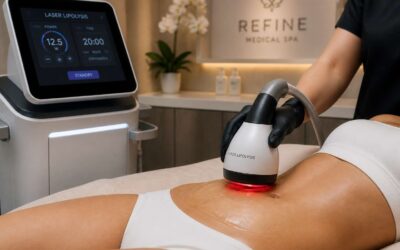
“Light, not force, shapes contours,” says a sharp SA clinician, and laser lipolysis proves it. The laser energy travels to fat cells, heating them just enough to nudge their membranes open without harming surrounding tissue. Inside, triglycerides leak out and adipocytes shrink, while collagen fibers respond with a gentle skin lift.
In practical terms, the process unfolds like this:
- Targeted heating disrupts fat cells with precision.
- Released fat is metabolized by the body’s lymphatic system.
- Skin remodeling follows, enhancing firmness and contour.
For patients in South Africa, the technique offers a refined alternative to more invasive options, with shorter downtimes and precise treatment zones—often not requiring general anesthesia. The laser lipo or airsculpt approach delivers measurable shaping while preserving tissue integrity, a rare blend of science and civility.
Common devices and wavelengths used in laser lipolysis
In South Africa, the term laser lipo or airsculpt signals precision over invasion. Clinics report faster downtime than traditional liposuction, a testament to how light can sculpt contours with care. I’ve watched the approach unfold with quiet intensity, where every pulse makes a choice.
Technology here is about heat, not brute force. Common devices blend wavelengths to coax fat cells to release their contents while preserving nerves and vessels.
- 1064 nm diode lasers for controlled fat disruption and coagulation
- 1320 nm diode lasers for deeper penetration and subtle tightening
- 1470 nm or dual-wavelength configurations balancing tissue water absorption with fat melt
Clinics in SA appreciate how these parameters translate into reliable contouring with natural-looking results!
Expected results and typical treatment areas
In South Africa, nearly 70% of patients report minimal downtime after laser lipo or airsculpt, a statistic that keeps clinics thrilled about light-based refinement rather than scalpels. The promise is precision, not drama, and the room hums with quiet confidence.
This laser lipo or airsculpt technology relies on controlled heat delivery to fat pockets, coaxing cells to release their contents while nerves and vessels stay out of the fray. Expect a smooth, natural contour and subtle tightening as collagen quietly reshapes your silhouette.
Typical treatment areas include the abdomen, flanks, inner thighs, upper arms, and the chin.
- Abdomen
- Flanks
- Inner thighs
- Upper arms
- Chin or jowls
Limitations and misconceptions about laser lipolysis
Laser lipolysis is a meticulous craft, not a magic wand. laser lipo or airsculpt uses controlled heat to refine stubborn fat pockets, but it isn’t a weight‑loss solution—results hinge on biology, lifestyle, and realistic goals. “It’s sculpting, not miracles,” a South Africa‑based clinician reminds us.
- Belief that it removes all fat in a single session
- Expecting dramatic cellulite disappearance
- Thinking it replaces diet and exercise entirely
Other limitations include potential asymmetry, temporary swelling, and the need for healthy habits to maintain contour. A clinician’s perspective helps set expectations about benefit and the role of laser lipo or airsculpt.
AirSculpt Procedure Fundamentals
What AirSculpt is and how it differs from traditional liposuction
Contouring with precision beats brute force, and a South African clinic survey finds downtime often halved with AirSculpt. This procedure is a targeted, minimally invasive fat-removal approach that emphasizes sculpting over extraction, reducing tissue trauma and recovery time compared with traditional methods.
How AirSculpt differs from traditional liposuction lies in controlled energy delivery, refined cannulas, and patient-friendly recovery—this is often described as the laser lipo or airsculpt approach. Instead of wide tunneling, it uses careful passes to loosen fat while preserving surrounding tissue, delivering smoother contours with less swelling.
- Smaller incisions and less bruising
- Potential for local anesthesia and shorter downtime
- Enhanced precision in contouring and symmetry
Some clinics frame the choice as laser lipo or airsculpt, highlighting different energy profiles and expectations. For patients seeking targeted shaping, AirSculpt offers a contemporary path that can feel almost supernatural in its predictability—without the drama of older liposuction methods.
The dual-action technology: fat disruption and suction removal
Downtime is often halved in South African clinics embracing AirSculpt, and the results look engineered by artisans, not accident. The dual-action technology stands out: fat disruption paired with suction removal. Some clinics frame it as laser lipo or airsculpt, teasing different energy profiles and expectations.
Two actions drive the method, gently choreographing change while preserving surrounding tissue:
- Fat disruption via precise energy pulses
- Suction removal through tiny, controlled channels
- Real-time sculpting guidance for symmetry
Residents of SA value the targetability and predictable contours, with minimal fuss and a smoother recovery. The approach reads like a modern craft—minimal drama, maximal contour.
Typical treatment areas and expected duration
In SA clinics, downtime is often halved with AirSculpt, a trend reshaping expectations about body contouring. The craft is evident: steady hands, precise angles, and outcomes that feel engineered by a surgeon’s careful eye. It’s modern sculpting with a patient-first rhythm.
The choice—laser lipo or airsculpt—presents a focused duet of energy and extraction. It targets stubborn pockets while preserving surrounding tissue. Typical treatment areas and durations align with lifestyle, with sessions usually running 60 to 90 minutes.
- Abdomen and flanks (love handles)
- Inner and outer thighs
- Arms (biceps/triceps)
- Chin and neck contouring
In South Africa, the process balances science and artistry, delivering smoother contours with minimal downtime.
Pre-procedure assessments and preparation
Pre-procedure prep is the secret sauce behind a flawless AirSculpt result. In South Africa, clinics pair laser lipo or airsculpt with rigorous assessments to map risk and tailor energy delivery, turning anticipation into precision and giving downtime a gentler silhouette.
- Medical history and current medications, especially blood thinners and anti-inflammatories.
- Allergies, prior surgeries, and implants that may affect the procedure or healing.
- Pre-procedure photos, measurements, and planned markings to guide the sculptor’s eye.
- Clear informed consent and a grounded discussion of expectations and aftercare requirements.
The day itself unfolds with a clinical calm, where staff explain what will happen, confirm consent, and ensure comfort. In SA clinics, the pre-procedure ritual is a quiet prologue to the sculptor’s craft, balancing science and artistry with a patient-first cadence.
Post-procedure expectations and recovery timeline
After the AirSculpt procedure, the body begins to settle. With laser lipo or airsculpt, light tenderness and mild swelling are common as fat droplets are rehydrated and the skin reclaims its new contour. Downtime is typically minimal, with most patients resuming sedentary activities within a day or two. A compression garment supports the healing process and helps the sculpted areas settle into their final shape.
A simple timeline helps set expectations for laser lipo or airsculpt recovery:
- First 24–48 hours: gentle movement, rest, and light management of soreness.
- First 1–2 weeks: swelling eases, most normal activities resume with caution.
- 6–8 weeks: final contours emerge as tissues settle and skin tightens.
Comparing Laser Lipolysis and AirSculpt: Pros, Cons, and Suitability
Advantages and limitations of laser lipolysis
Contouring with elegance now comes with less downtime and more measurable outcomes. Local clinics report a notable uptick in non-invasive fat reduction, and laser lipo or airsculpt sits at the forefront. I’ve seen clients walk out with a cleaner line and a calmer calendar.
Pros and cons of laser lipo or airsculpt hinge on a few discreet differences. Whether you opt for laser lipo or airsculpt, here are the trade-offs:
- Precise fat disruption with minimal recovery
- Short downtime and quicker return to routines
- Best for small pockets and subtle contouring
Not ideal for large-volume fat loss.
Suitability and limitations: The ideal candidate values refinement over surgery, maintains stable weight, and has good skin elasticity. In South Africa, when weighing laser lipo or airsculpt, selectivity matters as much as technique.
Advantages and limitations of AirSculpt
In South Africa’s clinics, non-invasive contours are reshaping transformations, with a 28% rise in non-surgical fat reduction last year. The choice between laser lipo or airsculpt opens a realm where precision meets rhythm, and results arrive with calm, not surgical fanfare.
When weighing laser lipo or airsculpt, trade-offs hinge on precision, downtime, and the scale of the target area.
- Precise fat disruption with minimal recovery
- Short downtime and quicker return to routines
- Best for small pockets and subtle contouring
AirSculpt’s strengths lie in dual-action technology, combining fat disruption with gentle suction, yet it is not a panacea for large-volume loss. In South Africa, suitability hinges on stable weight and good skin elasticity.
Choosing between laser lipo or airsculpt should weigh goals against anatomy and aftercare!
Candidate profiles for each method
Across South Africa, non-invasive fat reduction rose 28% last year, signaling a shift toward gentle reshaping that fits busy lives. When weighing laser lipo or airsculpt, the decision centers on precision, downtime, and the scale of change desired—quiet confidence over drama.
- Laser lipolysis delivers precise fat disruption with minimal recovery, ideal for small pockets and subtle contouring.
- AirSculpt uses dual-action fat disruption plus gentle suction, supporting smoother results on moderate regions and reducing texture irregularities.
Suitability profiles help separate the paths: laser lipolysis suits those with defined, small zones and good skin tone; AirSculpt benefits those with moderate pockets and a preference for dual-action contouring.
- Laser lipolysis: small-area sculpting around the chin, flanks, or lower abdomen.
- AirSculpt: mid-sized regions where suction aids evenness and skin comfort.
Ultimately, the choice hinges on anatomy and expectations for aftercare, guiding a thoughtful, non-surgical journey toward balance.
Long-term results, maintenance, and repeat treatments
Across South Africa, non-invasive fat reduction rose 28% last year, a signal that quiet contouring fits busy lives. When weighing laser lipo or airsculpt, the decision centers on precision, downtime, and the scale of change desired—quiet confidence over drama. Laser lipolysis targets tiny pockets with minimal disruption, while AirSculpt blends fat disruption with gentle suction for mid-sized regions and smoother texture.
- Laser lipolysis: pinpoint accuracy, minimal downtime, ideal for defined small zones
- AirSculpt: dual-action fat disruption and suction, smoother contour on mid-sized areas
- Suitability at a glance: small, defined pockets vs moderate regions with preference for suction
Long-term results hinge on anatomy and weight stability; effects persist when the body remains on a steady path, with repeat treatments available if goals shift. The choice between laser lipo or airsculpt reflects personal contours and expectations, not a single moment of transformation.
Cost considerations and financing options
Across South Africa, last year saw a 28% uptick in non-invasive fat reduction, a sign that busy lives favor quiet contouring over drama. When choosing between laser lipo or airsculpt, you weigh precision, downtime, and how dramatic the change should feel. Laser lipolysis targets tiny pockets with minimal disruption, while AirSculpt blends fat disruption with gentle suction for mid-sized regions and smoother texture.
- Pros: Laser lipolysis offers pinpoint precision with minimal downtime; AirSculpt delivers smoother mid-sized contours with its suction action.
- Cons: Laser lipolysis may require more sessions for larger pockets; AirSculpt can be pricier per zone but may reduce overall treatment time.
- Cost and financing: Prices vary by clinic and area; many SA clinics offer payment plans, package deals, and medical financing options, including promotional 0% interest plans.
Safety, Recovery, and Potential Risks
Common side effects and pain management strategies
Safety is the first conversation before any procedure like laser lipo or airsculpt. In clinics that value patient care, screening, licensed practitioners, and calibrated devices keep outcomes steady. Picture a quiet South African clinic, questions answered with calm clarity!
Recovery unfolds in gentle stages: mild swelling and tenderness, then a quick return to light activity. Most resume work within days and notice improvements over weeks. Listen to your body and follow your clinician’s aftercare plan.
- Ice packs and elevation for comfort
- Light walking to encourage circulation
- Pain relief as advised by your clinician
Potential risks exist but are uncommon and usually mild—temporary swelling, bruising, or numbness at the site. In my experience, staying calm and vigilant helps, and rare complications can occur, so choose a reputable clinic and stick to aftercare for a smooth journey.
Downtime, activity restrictions, and return to work
Safety is the first conversation before any procedure like laser lipo or airsculpt. In a South African clinic that values patient care, screening, licensed practitioners, and calibrated devices keep outcomes steady. Picture a quiet clinic in Cape Town or Gauteng, questions answered with calm clarity!
Recovery unfolds in gentle stages: mild swelling and tenderness, then a quick return to light activity. Most resume work within days and notice improvements over weeks. Listen to your body and follow your clinician’s aftercare plan.
Potential risks exist but are uncommon and usually mild—temporary swelling, bruising, or numbness at the site. In South Africa, choosing a reputable clinic and sticking to aftercare supports a smooth journey. Downtime is typically short, with return to work expectations varying by role.
Safety standards, device certifications, and practitioner qualifications
Safety isn’t a buzzword; it’s the compass guiding every laser lipo or airsculpt journey. In SA clinics, rigorous safety standards, calibrated devices, and practitioners with current licenses form the bedrock of care. You’ll notice infection control, pre-procedure screening, and clear explanations of what will happen. The experience respects the body and treats technology as a careful partner, not a reckless impulse.
- Safety standards and compliance with South African health regulations
- Device certifications and regular calibration checks
- Licensed practitioners with accredited training and ongoing education
Recovery after laser lipo or airsculpt unfolds in gentle stages: swelling and tenderness yield to a quick return to light activity. Most patients resume routine within days, guided by individualized aftercare and listening to their bodies.
Potential risks exist but are uncommon and usually mild—temporary swelling, bruising, or numbness at the site. In SA, choosing a reputable clinic and following aftercare supports a smooth journey.
Contraindications and who should avoid these procedures
Safety is the compass guiding every laser lipo or airsculpt journey. In SA clinics, care starts with safety standards, device certifications, and practitioners who hold current licenses. This grounding means infection control, pre-procedure screening, and clear explanations of what will happen. The experience treats technology as a careful partner, not a reckless impulse.
Recovery unfolds in gentle stages. Swelling and tenderness ease; most resume light activity within a few days. Aftercare includes hydration, compression as advised, and sun protection.
- Gentle activity as advised
- Hydration and balanced nutrition
- Sun protection and scar care if applicable
Potential risks are uncommon and usually mild: temporary swelling, bruising, or numbness at the site. In SA, choosing a reputable clinic and following aftercare supports a smooth journey.
- Pregnancy or breastfeeding
- Active infection or skin disease in the treated area
- Bleeding disorders or current anticoagulant therapy
Choosing a Provider and What to Expect During Treatment
Questions to ask during consultations and evaluating credentials
Choosing a clinic for laser lipo or airsculpt demands more than a flashy brochure. Seek certified devices, experienced practitioners, and a proven safety record. In South Africa, clinics operate under stringent standards, with transparent pricing and clear expectations about outcomes.
- What qualifications does the practitioner hold?
- Which device and wavelengths are used for laser lipo or airsculpt?
- Can I see before-and-after photos and read patient testimonials?
- What safety measures and anesthesia options are available?
During treatment for laser lipo or airsculpt, a light warmth and gentle suction are common. You’ll remain awake, with minimal downtime, and most people return to routine activities the same day. Results unfold gradually as the body metabolizes disrupted fat, underscoring the need for realistic timelines. In SA clinics, you’ll be guided by a clinician who personalizes the plan.
What happens during the procedure: steps and sensations
Choosing a provider for laser lipo or airsculpt hinges on qualifications, device pedigree, and a transparent safety record. In South Africa, clinics should display certified devices, experienced practitioners, and pricing aligned with plausible outcomes.
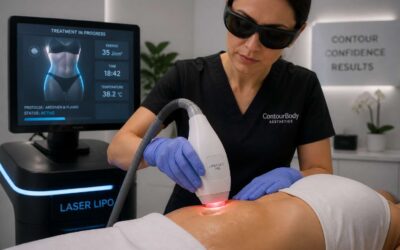
What happens during treatment blends targeted energy with controlled suction. The process remains non-invasive: the clinician marks the area, positions the handpiece, and begins energy delivery to disrupt fat, followed by suction to remove debris.
- Pre-treatment assessment and area marking
- Energy delivery in controlled pulses
- Fat disruption and suction removal
- Cooling and post-procedure guidance
During the session, a subtle warmth and gentle tug accompany the steps, with most patients returning to routine activities the same day. In South African clinics, each plan is tailored to contours, with a realistic timeline for gradual results as the body metabolizes disrupted fat.
Post-procedure care, follow-up scheduling, and when to seek help
Choosing a provider for laser lipo or airsculpt in South Africa should feel less like a lottery and more like selecting a tailor. Look for clinics that display certified devices, seasoned practitioners, and pricing that aligns with plausible outcomes. A transparent pre-treatment briefing and a straightforward aftercare plan signal professionalism. In short, a credible clinic treats safety with the same care as your contour goals.
During the session, expect a precise, non-invasive sequence delivered with confidence and care. Post-procedure care focuses on hydration, gentle activity, and following the clinician’s tailored schedule to support gradual results as your body metabolizes disrupted fat. The experience remains comfortable, and the goal is consistent, measurable progress rather than dramatic overnight shifts.
Follow-up scheduling and knowing when to seek help are part of the service. Consider these questions:
- What is the recommended cadence for check-ins and maintenance sessions?
- Are post-treatment goals aligned with your budget and timeline?
- What signs warrant contacting the clinic promptly?
- Who should you contact after hours for urgent concerns?
Evaluating clinics: reviews, success stories, and before-and-after photos
Contouring your body should feel like hiring a trusted tailor, not rolling a dice. Transparency in pre-treatment briefings and aftercare can boost satisfaction by up to threefold, so choose clinics that display certified devices, seasoned practitioners, and pricing tied to plausible outcomes. For South Africa, laser lipo or airsculpt deserves a partner who frames safety and aesthetics in equal measure.
When evaluating clinics, look for these indicators:
- Reviews and credentials that demonstrate consistent safety records and patient satisfaction.
- Success stories and before-and-after photos that reflect a range of body types and skin tones.
- Transparent pricing and clear explanations of expected maintenance or follow-up needs.
During treatment, expect a precise, non-invasive sequence delivered with confidence and care. You’ll notice measured sensations, a cool setting, and a steady rhythm, with results unfolding gradually as your body metabolises disrupted fat.
Insurance coverage, pricing, and value considerations
Choosing a provider should read like a whispered invitation to trust. In South Africa, seek clinics that frame safety and aesthetics as equal partners, and that openly reference laser lipo or airsculpt as part of a transparent care plan. Credentials, device certifications, and a no-surprise pricing approach matter.
During treatment, you’ll drift through a calm, controlled sequence: a cool touch, measured pressure, and a clinician’s steady cadence. You’ll feel few sensations as fat is gently disrupted and your body metabolises the results over weeks.
Insurance coverage and value are not the same thing, but both influence choice. Many cosmetic procedures in SA are privately funded; explore financing, what’s included in the price, and what maintenance may be required after sessions.
- Inclusions for the laser lipo or airsculpt package (consultation, aftercare).
- Maintenance needs and number of sessions to sustain results.
- Financing options and payment timelines.

0 Comments