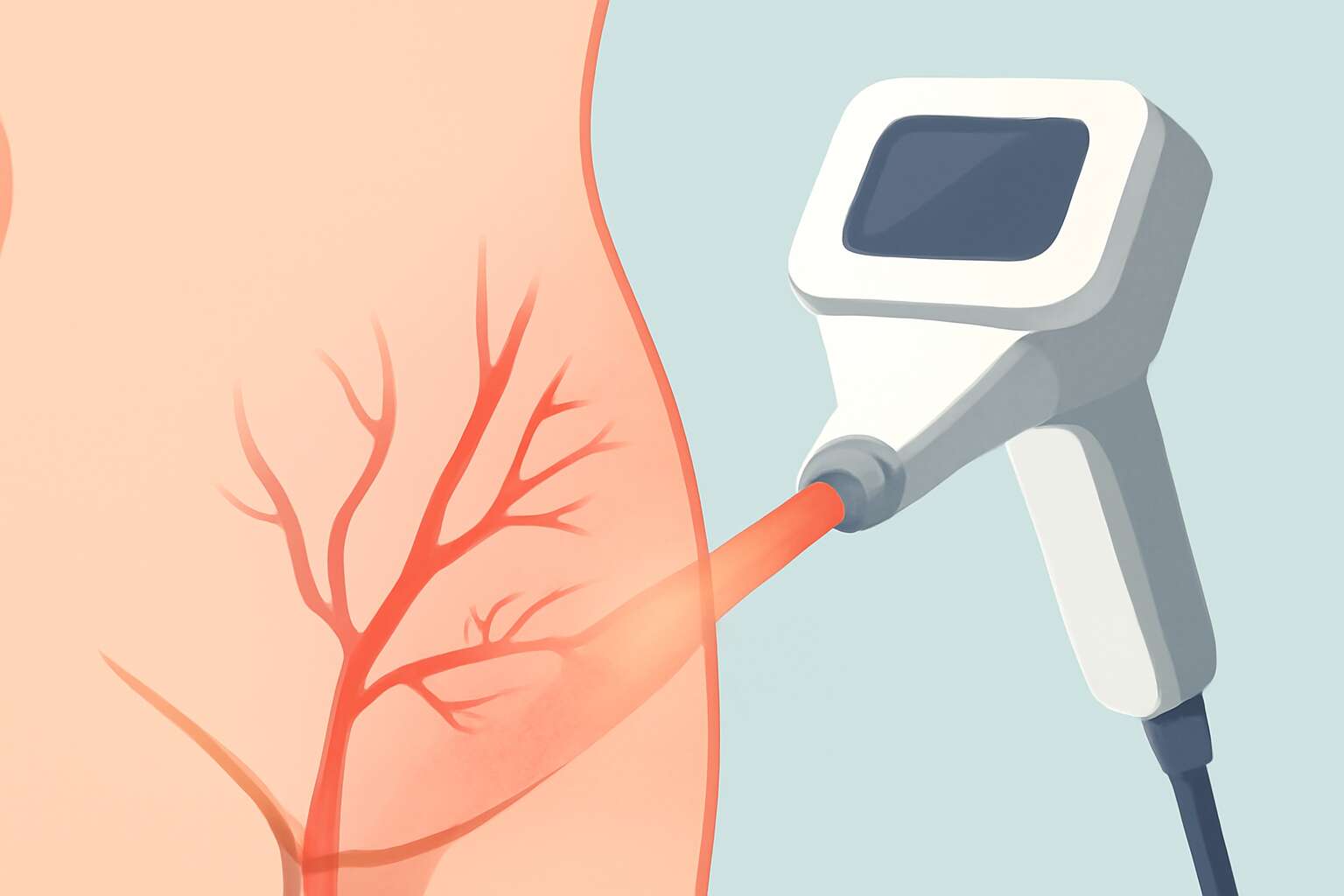
Understanding laser lipolysis and clot risk
Understanding laser lipolysis and clot risk
A cautious whisper travels through SA clinics: can laser lipo cause blood clots? The question signals more than safety chatter—it signals a quest for clarity beneath the glow of modern aesthetics.
Understanding laser lipolysis and clot risk means tracing how heat and light dislodge fat, while your body negotiates tiny blood vessels and healing pathways. The risk of clotting exists, but careful screening, technique, and precise device settings keep it rare and manageable.
To navigate clot concerns, clinicians map risk factors and tailor plans. Consider these common influences:
- Smoking or nicotine use
- Recent surgery or hormonal therapy
- Long periods of immobility after treatment
With expert care in South Africa, patients typically experience a measured path to results—balanced by vigilance, hydration, and compliance with aftercare.
Biology of blood clots and surgical risks
In South Africa, clotting events after laser lipolysis are rare—clinic rosters often cite well under 1% of cases. can laser lipo cause blood clots? The question lingers, but the numbers keep the conversation measured and the results in focus.
Biology notes that clots arise when platelets, fibrin, and vessel walls bow to stress. Laser lipolysis heats fat, yet it rarely bruises big vessels; the real interplay involves Virchow’s triad—stasis, injury, and hypercoagulability—nudging the body toward healing rather than peril.
In surgical risk terms, our SA clinics emphasize careful screening, calibrated device settings, hydration, and gentle post-treatment mobilization. The aim is precision and prudence, not bravura, so clot risk stays as manageable as the reflected glow of a polished contour.
- Hydration and adequate circulation
- Medical history of coagulopathy or hormones
- Prolonged immobility after treatment
Risk assessment and patient factors
Glimmer and caution share the stage in South Africa’s clinics, where aesthetic science meets patient care. The line of inquiry, can laser lipo cause blood clots, persists even as results shine. Events remain rare, and risk is shaped more by patient factors and timing than bravura.
- Medical history of coagulopathy or hormone-related factors
- Prolonged immobility after treatment
- Hydration and adequate circulation
Risk assessment and patient factors form the quiet spine of the decision. Considerations include preexisting conditions, hormonal therapy, and the patient’s mobility and circulation in the days that follow.
Prevention, safe practices, and post care
Shadows linger where lights hum over the operating table: can laser lipo cause blood clots — in South Africa’s clinics, the answer is nuanced. The science whispers of risk, but the patient’s pace and timing often shape the verdict more than bravura!
Pre-procedure screening and calibrated energy are your first lines of defense. In SA clinics, the emphasis is on a customized plan, hydration, and controlled post-treatment activity.
- Hydration status and gentle mobility are common considerations in recovery.
- Unusual swelling or heat at the treatment site can prompt medical review.
Post care remains a careful vigil: rest, observation, and clear communication with your team. Watch for swelling, redness, or breathlessness, and seek guidance without delay.
Myths, alternatives, and expert guidance
In the hush before a glow-up, the question can laser lipo cause blood clots lingers in clinic corridors. The answer wears a veil of nuance, balancing risk with timing and the patient’s own rhythm. In South Africa, energy is calibrated, and care plans are carved with precision, letting science speak softly while hope takes the stage.
Here are common myths that drift through waiting rooms and social feeds:
- Myth: it is risk-free for every person
- Myth: downtime and bruising vanish instantly
- Myth: results are dramatic and guaranteed
Alternatives exist that align with comfort and pace: non-invasive contouring, ultrasound-assisted options, or traditional liposuction when appropriate. Expert guidance from SA clinics can tailor plans, balancing expectations with safety, and choosing energy levels that respect tissue biology.


0 Comments